Overberg: A 2026 Travel Guide for Travellers, Adventure Seekers, and Hikers
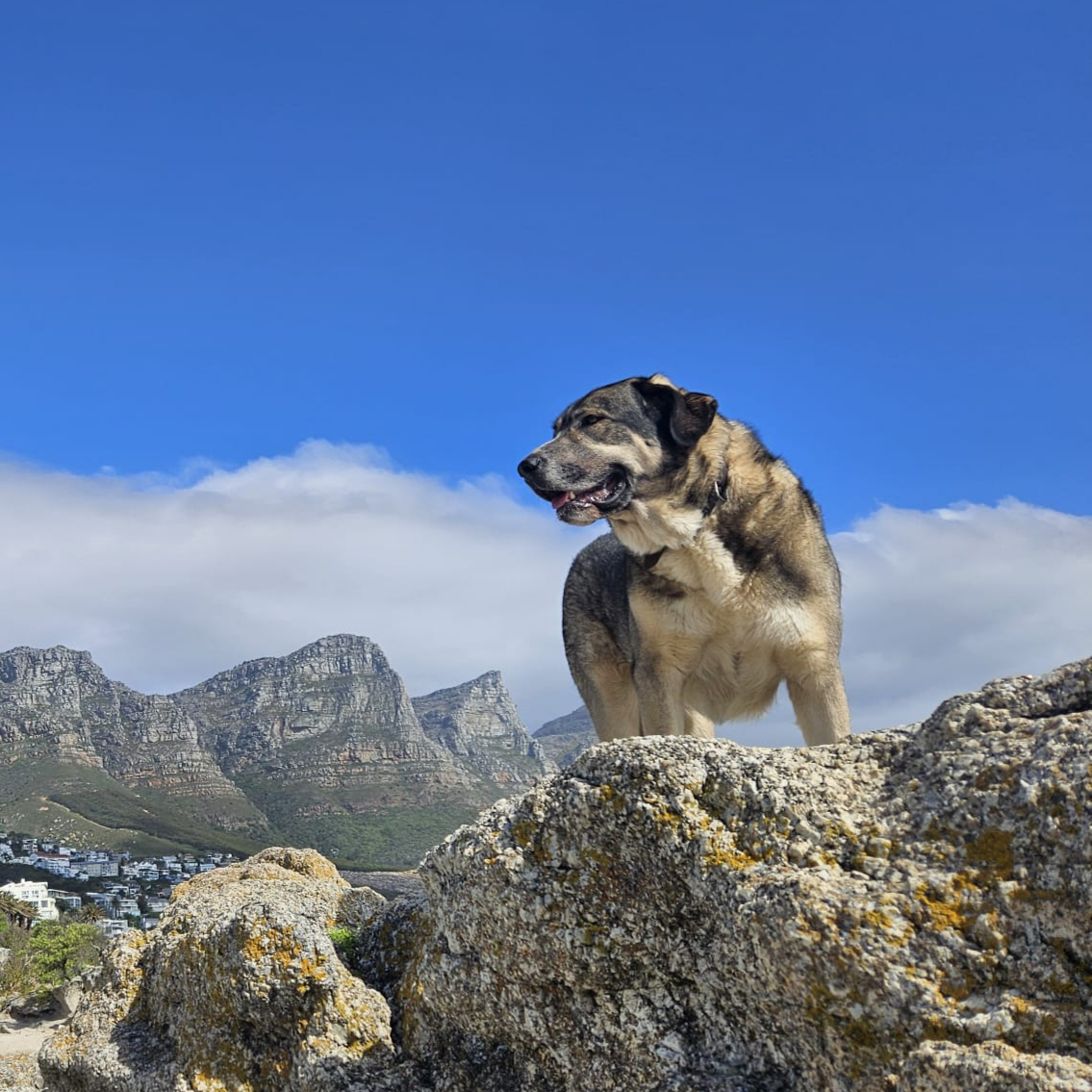
The Overberg rewards slow travel. Drive too fast and it looks like a blur of wheat fields, mountain folds, farm stalls, and whitewashed villages. Slow down, and the region opens into mountain passes, river crossings, tidal caves, whale-viewing cliffs, forest trails, hot springs, gravel roads, wild beaches, and small towns with enough character to fill a week.
This stretch of the Western Cape sits between the Hottentots-Holland mountains, the Breede River, Cape Agulhas, and the rugged coastline east of False Bay. It is close enough to Cape Town for a long weekend, but varied enough for a proper road trip. Hikers can link short day walks with mountain viewpoints. Adventure seekers can paddle rivers, ride gravel routes, or explore passes. Digital nomads can base themselves in towns like Swellendam, Greyton, Montagu, Stanford, or Barrydale, then head out early for day trips.
This travel guide covers the Best things to do in overberg for 2026, including classic stops and a few slower detours toward Tradouw Pass, Barrydale, Montagu, Malgas, the Breede River, and the redwood trees near the forested folds of the Langeberg.

Start with the shape of the region
The Overberg is not one single type of trip. It works best when planned as a loop.
The western side leans coastal and close to Cape Town. Think Hermanus, Stanford, Gansbaai, Pringle Bay, Betty’s Bay, and the Kogelberg area. The centre brings in farming towns, gravel roads, Canola fields in season, farm stalls, and heritage villages such as Greyton, Caledon, Napier, and Bredasdorp. The eastern side moves toward Swellendam, Malgas, De Hoop Nature Reserve, and the Breede River.
Then there is the mountain edge. Tradouw Pass, Barrydale, and Montagu sit around the Langeberg and Route 62 corridor. Strictly speaking, parts of this area fall just outside the usual Overberg boundary, but they pair naturally with an Overberg itinerary. Many travellers connect them with Swellendam or the Breede River for a fuller inland adventure.
A strong route could look like this:
Trip length | Best base or route | What it suits |
2 to 3 days | Hermanus, Stanford, Greyton, or Swellendam | A short escape with food, views, and one or two hikes |
4 to 5 days | Cape Town to Hermanus, Stanford, De Hoop, Swellendam | Coast, nature reserves, whales, caves, and country towns |
7 days or more | Add Malgas, Tradouw Pass, Barrydale, and Montagu | A fuller road trip with river crossings, passes, hikes, and hot springs |
If this is your first visit, do not try to tick off every town. Pick a theme. Coast and wildlife. Mountain passes and hiking. Food and small towns. River and gravel riding. The region is much better when there is space in the day.
Drive Tradouw Pass slowly and stop often
Tradouw Pass is one of the great scenic drives of the southern Cape. It links the Swellendam side of the Langeberg with Barrydale on Route 62, cutting through steep rock faces, folded mountains, and pockets of fynbos.
The name is often linked to the Khoekhoe words for “women’s path”, and the route still feels like a passage rather than just a road. It is not a long drive, but it deserves time. Pull over at safe viewpoints, look at the changing rock colours, and watch how the vegetation shifts as the pass climbs and falls.
For hikers and photographers, the best light usually comes early or late. Midday can be harsh in summer, especially when the rock reflects heat. If the road is wet, drive with care. Mountain passes in the Cape can change mood quickly.
Good ways to enjoy Tradouw Pass:
Drive it as a sunrise route from Swellendam toward Barrydale.
Combine it with a coffee or lunch stop in Barrydale.
Use it as the scenic link between Overberg farmlands and the Little Karoo.
Pack water and snacks, even if the drive looks short on a map.
Stop only where it is safe and do not block the road for photos.
Tradouw Pass is ideal for travellers who want drama without needing a 4x4. It gives a sense of wilderness while still being accessible by normal car in good conditions.
Spend time in Barrydale beyond the main street
Barrydale is small, artistic, and a little eccentric in the best way. Many people know it as a Route 62 stop, but it is worth more than a quick fuel-and-coffee pause.
The town sits between mountain country and semi-arid plains. That gives it a different feel from the greener parts of the Overberg. Heritage buildings, roadside cafés, craft shops, farm stalls, and quiet backstreets make it easy to spend a slow afternoon here.
Barrydale works well for:
Road trippers linking Swellendam, Tradouw Pass, and Montagu.
Digital nomads who want a quiet place to write, work, and walk.
Cyclists and gravel riders using Route 62 and nearby farm roads.
Hikers looking for mountain-edge scenery without coastal crowds.
The surrounding area can be hot, dry, and exposed. Plan walks early in the day during summer. In winter, mornings can be crisp, and the mountains often look sharper after rain.
Barrydale also makes a useful overnight stop if the next day includes Montagu, the Warmwaterberg area, or a return toward Swellendam and the coast.
Make Montagu your mountain and hot spring stop
Montagu is famous for its rock formations, orchards, dried fruit, historic streets, and hot springs. It is one of the best inland additions to an Overberg road trip, especially for travellers who want a mix of comfort and activity.
The town is popular with hikers and climbers. The surrounding kloofs and ridges offer routes that range from gentle walks to more demanding outings. Rock climbing is a major draw, with established climbing areas around town. If climbing is the goal, go with proper gear, current route information, and local guidance where needed.
Montagu also suits slower travel. A typical day could start with a morning hike, move into a café lunch, and end with a soak at a hot spring. That rhythm works well after several days of driving.
Practical tips for Montagu:
Book accommodation ahead during long weekends and school holidays.
Start hikes early in summer.
Carry more water than you think you need.
Check trail access and conditions locally before setting out.
Leave time for the drive between Montagu and Barrydale, especially if you like stopping for photos.
Montagu is not always listed in a narrow Overberg itinerary, but it fits the wider travel guide overberg, western cape activities route beautifully when paired with Barrydale, Tradouw Pass, and Swellendam.
Walk among forest giants near Grootvadersbosch
The southern Cape is not only beaches and farm roads. Near Heidelberg and not far from Swellendam, Grootvadersbosch Nature Reserve protects one of the region’s most important indigenous forest areas. The broader area is known for shaded trails, birdlife, mountain views, and peaceful forest walking.
Travellers often ask about the redwood forest in this part of the Western Cape. Around the Grootvadersbosch and Langeberg area, there are stands of tall exotic trees, including redwoods in some planted sections and nearby forested properties. They are not the same as the ancient redwood forests of California, and access can vary depending on the exact site. Treat them as a special local curiosity rather than a guaranteed public attraction.
The real reason to come is the forest atmosphere. It feels different from the open fynbos and wheat fields nearby. Paths move through shade, birds call from the canopy, and the air cools quickly under the trees.
Good activities in this area include:
Short forest walks.
Birdwatching.
Mountain biking on designated routes where allowed.
Photography after rain.
Picnics in permitted areas.
Slow drives through the foothills.
Before visiting, check the latest reserve information, gate times, permits, and trail status. CapeNature-managed reserves and private conservancy areas can have specific rules, and conditions may change after heavy rain or fire.

Cross the Breede River at Malgas
Malgas is one of the most memorable inland stops in the Overberg because of its river setting and sense of being slightly out of the way. The village sits near the Breede River and is best known for the hand-operated pontoon ferry crossing.
The Malgas pont is a rare experience in South Africa. Vehicles are pulled across the river by human power and cable system, depending on operating conditions. It is practical, charming, and slow in a way that suits the place. Before you build a route around it, confirm whether it is running. River levels, maintenance, and weather can affect operations.
The Breede River around Malgas is excellent for relaxed outdoor time. Expect birdlife, reeds, wide water, fishing spots, paddling conditions in suitable weather, and quiet accommodation along the river. It is not a place to rush.
Things to do around Malgas and the Breede River:
Take the pontoon ferry if it is operating.
Paddle calm sections of the river with a local operator or proper equipment.
Book a riverside stay and watch the light change at sunset.
Explore gravel roads toward De Hoop or Swellendam.
Look for birdlife along the banks.
Keep evenings slow, especially after a long driving day.
The roads in this area can include gravel. A normal car can handle many routes in fair weather, but drive slower than you would on tar. After heavy rain, ask locals about road condition before committing to remote sections.
Explore De Hoop Nature Reserve and its wild coast
De Hoop Nature Reserve is one of the standout nature experiences in the Overberg. It combines limestone dunes, fynbos, wetlands, wildlife, tidal pools, and a wild stretch of coastline. The reserve is especially known for land-based whale watching in season, usually during the southern right whale migration months.
Even outside whale season, De Hoop is worth the trip. The coastline feels raw and open. White dunes rise above blue water, and the rock pools can be fascinating at low tide. Inland, the vlei attracts birds, and the reserve’s roads bring a sense of distance without needing to travel far from the southern Cape’s main towns.
Popular activities include:
Coastal walks.
Whale watching in season.
Birding near the vlei.
Mountain biking on permitted routes.
Photography along the dunes.
Guided walks or nature experiences where available.
Respect the ocean here. The coast is beautiful, but it can be powerful. Watch tides, keep clear of rough water, and do not turn your back on waves when exploring rocky areas.
De Hoop pairs well with Malgas, Bredasdorp, Swellendam, or Arniston. It also works as a two-night nature break if the goal is to switch off properly.
Visit Cape Agulhas where two oceans meet
Cape Agulhas is the southernmost point of Africa, and that alone makes it worth the drive. It is also the official meeting point of the Atlantic and Indian oceans, marked by a well-known stone monument near the shore.
The area is more than a photo stop. The coastline is windswept, rocky, and atmospheric. The lighthouse is a local landmark, and the surrounding Agulhas National Park protects coastal fynbos, wetlands, and shore habitats.
Nearby Struisbaai has a long beach and a more laid-back holiday feel. Arniston, also known as Waenhuiskrans, lies up the coast and is known for white cottages, turquoise water, and sea caves that should only be approached at safe tide and with local knowledge.
For a Cape Agulhas day, plan:
The southernmost point marker.
A walk near the lighthouse and coastline.
A beach stop at Struisbaai if the weather is good.
A seafood meal in one of the coastal towns.
Sunset from a safe coastal viewpoint.
Wind is part of the experience. Pack a light layer even in summer.
Use Hermanus and Stanford for coast, food, and whales
Hermanus is the best-known town in the Overberg, largely because of whale watching. During whale season, the cliffs around town can offer excellent land-based viewing. The cliff path is the classic way to enjoy it, with sea views, benches, and access to cafés.
The town also has beaches, galleries, restaurants, wine farms nearby in the Hemel-en-Aarde Valley, and enough services for remote workers who need a comfortable base. It is busier than many Overberg towns, so book ahead during peak travel periods.
Stanford, a short drive away, offers a quieter contrast. It has a village feel, river activities, birding, country restaurants, and easy access to both the coast and inland routes. Kayaking or boat trips on the Klein River can be a gentle way to spend a morning, especially for travellers who want nature without a strenuous hike.
Hermanus and Stanford suit:
First-time Overberg visitors.
Food and wine travellers.
Whale watchers.
Digital nomads wanting reliable amenities.
Couples or families who prefer comfort with day-trip options.
For more adventure, use these towns as a base for Walker Bay, Gansbaai, De Kelders, or the Hemel-en-Aarde mountain roads.
Hike Greyton, Genadendal, and the Riviersonderend mountains
Greyton is one of the Overberg’s most appealing hiking towns. It has oak-lined streets, cottages, cafés, horses, mountain views, and easy access to trails. The nearby Greyton Nature Reserve offers short walks and longer routes, with fynbos, streams, and views over the village.
The well-known trail between Greyton and McGregor is a classic, but it requires planning. It is a proper mountain route, not a casual wander. Weather, permits, fitness, and transport all matter. If you do not have time for the full route, shorter walks around Greyton still give a strong sense of the mountains.
Genadendal, close to Greyton, adds deep history. It is one of South Africa’s oldest mission settlements and is worth visiting with respect and time, not as a quick add-on. The village and museum context help ground the region beyond scenery.
Hiking tips for the Overberg:
Start early, especially from October to March.
Carry sun protection, water, and a warm layer.
Do not rely only on phone signal.
Ask locally about trail conditions after fires or floods.
Stay on marked paths to protect fynbos.
Check permit requirements.
The Riviersonderend mountains can look gentle from a distance, but Cape mountain weather changes quickly. Plan like a hiker, not a casual stroller.
Follow the quieter roads through Napier, Bredasdorp, and Swellendam
Some of the best Overberg moments happen between headline attractions. The roads through Napier, Bredasdorp, Caledon, Riviersonderend, and Swellendam pass grain farms, sheep country, blue cranes, wind-shaped trees, and seasonal fields of yellow canola.
Napier is a good stop for country food, antiques, and local browsing. Bredasdorp is practical, central, and useful for supplies before heading to Cape Agulhas, Arniston, or De Hoop. Riviersonderend works well as a road-trip pause. Caledon has hot springs and rolling agricultural scenery.
Swellendam is one of the Cape’s oldest towns and a strong base for the eastern Overberg. It has historic buildings, mountain views, restaurants, guesthouses, and access to Marloth Nature Reserve, Bontebok National Park, Grootvadersbosch, Malgas, and Tradouw Pass.
If you like a base with several day-trip options, Swellendam is hard to beat. You can hike in the morning, eat well in town, and still be within reach of forest, river, pass, and reserve.
Build an itinerary that fits your pace
A good Overberg trip does not need to be complicated. The region is close enough for flexibility, but distances can feel longer on gravel or mountain roads.
Here are three practical ways to plan it.
A long weekend with coast and village time
Base yourself in Hermanus, Stanford, or Greyton.
Spend one day on coastal views, whales in season, or wine farms. Spend another day walking, paddling, or exploring village streets. Keep the final morning open for a slow breakfast and one short viewpoint before driving back.
This is the easiest option from Cape Town.
A five-day nature and road trip loop
Try Cape Town, Hermanus, Stanford, De Hoop, Malgas, Swellendam, and back.
This gives a mix of cliff paths, coastal reserve time, river scenery, gravel roads, and a historic town. Add Cape Agulhas if you do not mind a fuller driving day.
A seven-day adventure route with passes and hot springs
Link Cape Town, Greyton, Swellendam, Malgas, De Hoop, Tradouw Pass, Barrydale, Montagu, and return via the N2 or Route 62 depending on your plan.
This route suits travellers who want variety. You get mountains, river, forest, coastline, hot springs, and small-town downtime.

Know the best time to visit
The Overberg changes strongly by season.
Spring is excellent for flowers, green fields, mild hiking weather, and fresh mountain scenery. It is one of the best times for road trips.
Summer brings long days, beach weather, and dry heat inland. Hike early, carry water, and expect busy coastal towns during holidays.
Autumn is often calm and pleasant, with softer light and less pressure on accommodation outside long weekends.
Winter can be beautiful, especially for fireplaces, moody coastlines, green hills, and crisp walks. Rain can affect gravel roads and mountain plans, so keep some flexibility.
Whale season along the Overberg coast usually runs through the cooler months into spring, with peak timing varying by year. If whales are the main reason for visiting, check recent local reports before booking.
Travel with care in fynbos country
The Overberg is beautiful because it is fragile. Fynbos ecosystems recover slowly when damaged. Coastal dunes, wetlands, and mountain paths also need careful treatment.
A few simple habits make a difference:
Stay on marked trails.
Do not pick wildflowers.
Pack out litter, including food scraps.
Keep drones away from restricted areas and wildlife.
Respect private farm roads and gates.
Use local guides where routes are unclear.
Support small-town businesses without treating towns like theme parks.
Adventure travel works best when the place still feels whole after you leave.
The Overberg is best when you leave room for detours
The Overberg is not a checklist destination. It is a region for layered travel. One day might bring whale watching from a cliff path. The next might bring a forest walk near Grootvadersbosch, a ferry crossing at Malgas, a gravel road to De Hoop, or a warm evening in Barrydale after driving Tradouw Pass.
For hikers, the region offers mountain paths, coastal walks, forest shade, and wild reserve trails. For adventure seekers, there are rivers, passes, gravel routes, rock, wind, and sea. For digital nomads, the small towns offer a useful balance of quiet mornings, good coffee, and quick access to open space.
Plan the main route, then protect the empty spaces in between. That is where the Overberg does its best work.


